

How To Choose The Right Aromatherapy Shower Steamers 2026
By Claire Ashford, Clinical Herbalist
In my practice, I often hear from patients who are exhausted by the noise of modern life but find it difficult to carve out thirty minutes for a bath or meditation session. Aromatherapy shower steamers offer a pragmatic bridge between traditional plant medicine and the constraints of daily routine. They are not merely novelty items; when formulated with intention, they deliver volatile essential oils directly to your olfactory system, influencing your nervous state before you have even stepped out of the shower. Choosing the right one requires looking past colorful packaging to understand the chemistry of inhalation and the quality of botanical ingredients.
Our Top Picks
Affiliate disclosure: if you buy through these links, we may earn a commission at no extra cost to you.

Table of Contents

Quick Answer
To choose the right aromatherapy shower steamer, prioritize products that list specific essential oils (like lavender or eucalyptus) rather than generic "fragrance," and ensure they use a base of baking soda and citric acid for effective fizzing without excessive skin irritation. Look for brands that disclose their sourcing and avoid synthetic fillers if you have sensitive skin or respiratory conditions. The goal is to find a simple, potent blend that supports your specific need—whether that is respiratory clarity or nervous system relaxation—without overwhelming your senses.
Understanding the Mechanism: How Steamers Work
It is important to understand that a shower steamer functions differently than an essential oil diffuser. A diffuser disperses particles into the air, which can be inconsistent depending on room size and airflow. A shower steamer, however, uses body heat and running water to trigger a chemical reaction—usually between baking soda and citric acid—that releases steam infused with plant compounds. This steam carries the volatile aromatic molecules directly into your nasal passages.
The olfactory system is unique because it has a direct neural pathway to the limbic system, the part of the brain responsible for emotion and memory. When you inhale these plant volatiles during a shower, you are not just smelling something pleasant; you are signaling your autonomic nervous system. This is why a steamer can help lower cortisol levels or clear congestion more effectively than simply applying oil to the skin, where absorption is slower and less immediate.
Decoding the Ingredient List
As a herbalist, I look at the ingredient list with skepticism. Many commercial steamers rely heavily on synthetic fragrances to cut costs and ensure the scent survives manufacturing. Synthetic fragrances can actually trigger headaches or respiratory irritation in sensitive individuals, defeating the purpose of using aromatherapy for wellness. You want to see specific botanical names.
A high-quality steamer will list essential oils by name, such as Lavandula angustifolia (Lavender) or Eucalyptus globulus. The base ingredients should be simple: baking soda (sodium bicarbonate) for the alkaline component, citric acid for the acidic component, and a binder like cornstarch or arrowroot powder. Some formulations include Epsom salts (magnesium sulfate), which can help soothe sore muscles through transdermal absorption, though the amount absorbed in a shower is minimal compared to a soak.
Matching Scents to Therapeutic Goals
Not all scents serve the same physiological function. In clinical herbalism, we select plants based on their specific actions—whether they are sedating, stimulating, or anti-inflammatory. Here is how to match common aromatherapy steamers to your immediate needs:
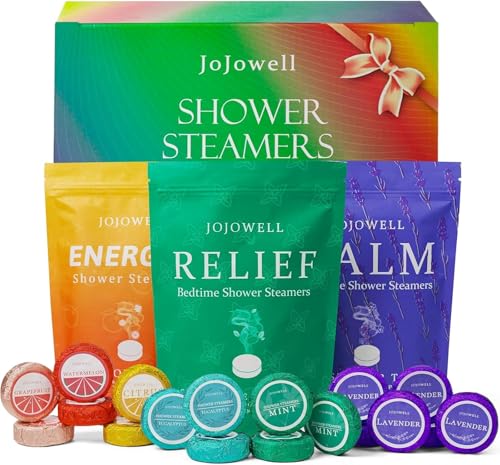
- For Sleep and Anxiety: Look for Lavender, Roman Chamomile, or Bergamot. These oils contain compounds like linalool that have been shown in studies to reduce heart rate and promote relaxation. Use these in the evening to signal to your body that it is time to wind down.
- For Respiratory Support: Eucalyptus, Peppermint, and Tea Tree are excellent for clearing mucous membranes. The menthol in peppermint creates a cooling sensation that can make breathing feel easier during cold and flu season. Note: These are stimulating and should be avoided right before bed if you find them too invigorating.
- For Energy and Focus: Lemon, Grapefruit, or Rosemary can help lift mental fog. Citrus oils are generally uplifting and can improve mood by increasing alertness without the jitteriness of caffeine.
Sensitivity and Skin Safety
While we are inhaling these compounds, they do come into contact with your skin. Some essential oils, particularly citrus oils like lemon or lime, are phototoxic, meaning they can cause severe burns if exposed to sunlight. However, in a shower steamer, the dilution is high and exposure time is short, so this risk is minimal for most people. The greater concern is sensitivity to the fizzing agents.
If you have eczema or very dry skin, avoid steamers with high concentrations of citric acid or added fragrances that can strip natural oils. Look for "sensitive skin" formulations that use gentler binders and omit citrus oils. Always do a patch test if you are trying a new brand for the first time. If you experience tingling or redness, rinse immediately and discontinue use.
Storage and Shelf Life
Homemade or artisanal shower steamers are hygroscopic, meaning they absorb moisture from the air. If stored in a humid bathroom cabinet, they may lose their potency or dissolve prematurely. Essential oils also oxidize over time, losing their therapeutic benefits and potentially becoming irritants.
To maintain efficacy, store your steamers in an airtight container in a cool, dry place. A bedroom drawer is often better than a bathroom cabinet. Most quality steamers will last between six months to a year if kept dry. If the steamer feels soft or crumbly before you use it, the essential oils have likely evaporated, and it will no longer provide therapeutic benefits.
Frequently Asked Questions
Can I use shower steamers if I am pregnant?
Many essential oils are safe during pregnancy, but some (like rosemary, clary sage, and jasmine) should be avoided or used with caution, especially in the first trimester. Always consult your healthcare provider before using aromatherapy products while pregnant, and choose simple, well-known oils like lavender or lemon.
Do shower steamers work for sinus congestion?
Yes, they can be quite effective. The combination of hot water humidity and volatile oils like eucalyptus or peppermint helps thin mucus and open nasal passages. They are a gentle alternative to medicated decongestants.
Are shower steamers safe for pets?
Not necessarily. Many essential oils, particularly tea tree, peppermint, and citrus, can be toxic to cats and dogs if inhaled in high concentrations or ingested. Ensure your bathroom is well-ventilated and keep the product out of reach of pets.
Can I make my own shower steamers?
Absolutely. A basic recipe involves mixing baking soda, citric acid, cornstarch, and a few drops of essential oil with a spray of water until the mixture holds together when squeezed. However, getting the ratio right to prevent premature fizzing requires practice.
Why do some steamers leave an oily residue?
This is normal if the steamer contains carrier oils (like sweet almond or coconut oil) to help bind the ingredients. It can actually be beneficial for skin hydration, but you may want to rinse your shower floor afterward to prevent slipping.
Conclusion
Choosing the right aromatherapy shower steamer is about aligning the botanical ingredients with your physiological needs and respecting the quality of the formulation. By prioritizing pure essential oils over synthetic fragrances and understanding how different scents affect your nervous system, you can turn a mundane daily shower into a restorative ritual. Start with a simple lavender or eucalyptus steamer from a reputable source, observe how your body responds, and adjust your selections based on whether you need to calm down or wake up.


