

How To Choose The Right Herbal Joint Support Supplements 2026
Joint discomfort is a quiet thief. It rarely announces itself with drama until it has already stolen your morning stretch, your evening walk, or the ability to kneel and play with your grandchildren. As a clinical herbalist, I see this pattern daily: people wait until pain becomes an emergency before looking for relief. By then, the inflammation is often deep-seated, and simple remedies feel ineffective. The truth is that plant-based joint support is not about finding a magic bullet that erases arthritis overnight; it is about providing the raw materials your body needs to repair tissue and calm the immune system’s overreaction. Choosing the right supplement requires understanding what part of the joint is hurting and selecting herbs that target that specific mechanism.
Quick Answer
To choose the right herbal joint support, first identify if your pain is inflammatory (hot, swollen joints) or structural (wear-and-tear stiffness). For inflammation, look for standardized Boswellia serrata and Curcumin with piperine. For cartilage repair and lubrication, consider UC-2 collagen or Devil’s Claw. Always prioritize supplements that provide third-party testing for purity, as herbal quality varies wildly between brands.
Table of Contents
Our Top Picks
Affiliate disclosure: if you buy through these links, we may earn a commission at no extra cost to you.
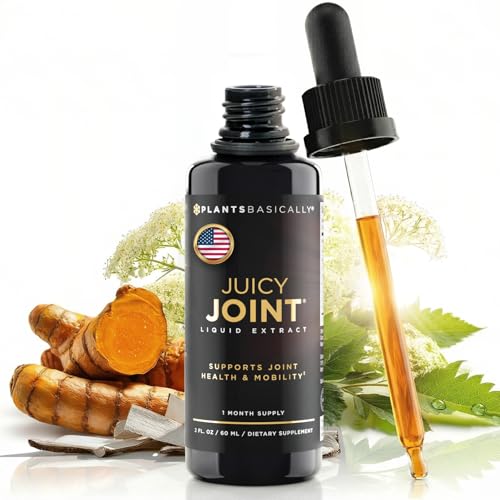

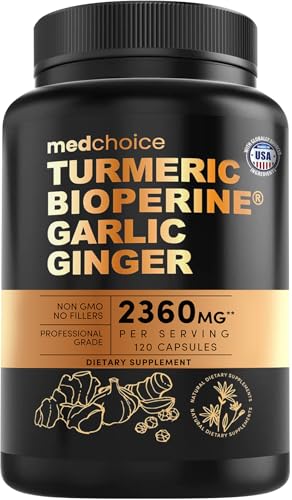
Understanding Your Joint Pain Type
Before buying a single bottle, you must diagnose the nature of your discomfort. In herbal medicine, we do not treat "joint pain" as one condition. We treat the underlying mechanism. If your joints feel hot to the touch, look swollen, or are stiff in the morning for more than 30 minutes, you are likely dealing with systemic inflammation. This is often linked to autoimmune responses or acute flare-ups.
Conversely, if your pain is a dull ache that worsens with activity and improves with rest, you are likely dealing with structural wear. This is the breakdown of cartilage—the shock-absorbing cushion between bones—and the thinning of synovial fluid, which lubricates the joint. Treating structural wear with strong anti-inflammatories alone will provide temporary relief but will not address the root cause: the lack of building blocks for tissue repair.
The Heavy Hitters: Anti-Inflammatory Herbs
If your primary issue is inflammation, you need herbs that inhibit the enzymes responsible for swelling, such as COX-2 and LOX. Two plants stand out in both traditional use and modern clinical trials: Boswellia serrata (Indian Frankincense) and Curcumin (from Turmeric).
Boswellia contains boswellic acids which specifically block the 5-lipoxygenase pathway, a key driver of inflammation in joints. Unlike NSAIDs (non-steroidal anti-inflammatory drugs) which can irritate the stomach lining, Boswellia is generally gentle on the gut. Curcumin is the active compound in turmeric. It is potent, but it has poor bioavailability on its own. You must look for formulations that include black pepper extract (piperine) or use liposomal technology to ensure your body actually absorbs it.
Another honorable mention is Devil’s Claw (Harpagophytum procumbens). Originating from the Kalahari Desert, this root has a long history in Southern African traditional medicine for pain relief. Recent studies suggest it may be as effective as some pharmaceutical drugs for lower back and knee osteoarthritis, with fewer gastrointestinal side effects.
Building Blocks: Collagen and Cartilage Support
When the joint is worn down, we need to support the repair process. The most evidence-backed supplement here is Undenatured Type II Collagen (UC-II). Unlike hydrolyzed collagen peptides which are broken down into amino acids and used for skin or muscle, UC-II works through a process called oral tolerance. It signals your immune system to stop attacking your own cartilage and stimulates the production of type II collagen.
Glucosamine and Chondroitin are the other giants in this category. While early studies were promising, recent large-scale trials have shown mixed results. However, many herbalists still recommend them for specific cases, particularly when sourced from shellfish (for glucosamine) or shark cartilage (for chondroitin). They work by drawing water into the joint space, acting like a sponge to improve lubrication and shock absorption.
Consider adding Ginger root extract to your regimen. Beyond its anti-inflammatory properties, ginger contains gingerols which can inhibit inflammatory mediators. It also supports digestive health, which is crucial because gut health directly influences systemic inflammation levels.
Quality Control: How to Read Labels
The supplement industry is loosely regulated. A bottle labeled "Joint Support" may contain mostly filler ingredients with a trace of herbs. As a clinician, I refuse to recommend any product that does not provide transparency. You need to look for three things on the label.
First, look for standardization. For Boswellia, it should state "standardized to 65% boswellic acids." For Curcumin, it should specify the percentage of curcuminoids. Without this, you are guessing the potency. Second, check for third-party testing seals like USP, NSF, or ConsumerLab. These organizations verify that what is on the label is actually in the bottle and that it is free from heavy metals and pesticides.
Finally, look at the filler ingredients. Avoid products loaded with magnesium stearate, titanium dioxide, or artificial colors. These add no therapeutic value and can irritate sensitive digestive systems. A clean label lists only the active herbs and necessary capsule materials like hypromellose (vegetarian capsule) or rice flour.
Safety and Drug Interactions
"Natural" does not mean "safe for everyone." Herbal supplements are pharmacologically active. They interact with your liver enzymes and blood clotting mechanisms just like pharmaceutical drugs do. This is especially critical if you are already taking medication for joint pain or other conditions.
Boswellia and Devil’s Claw can thin the blood. If you are on anticoagulants like Warfarin or aspirin, combining these with herbal supplements can increase your risk of bleeding. Curcumin also has mild blood-thinning properties. Ginger, in high medicinal doses, can interact with blood pressure medications. Always consult your primary care provider before starting a new regimen if you are on prescription meds.
Pregnant or breastfeeding women should avoid Devil’s Claw and high-dose Boswellia, as they may stimulate uterine contractions. For these groups, gentle topical applications of arnica gel (applied to intact skin only) or warm compresses with lavender essential oil are safer starting points.
Frequently Asked Questions
How long does it take for herbal joint supplements to work?
Unlike ibuprofen, which works in hours, herbal supplements work cumulatively. You typically need to take them consistently for 4 to 8 weeks to notice a significant reduction in pain and stiffness. If you see no change after 3 months, the specific herb may not be working for your body type.
Can I take these supplements with my arthritis medication?
It is possible, but you must consult your doctor first. Some herbs can enhance the effect of NSAIDs, leading to stomach bleeding, or interfere with liver metabolism of drugs. Never stop prescribed medication abruptly to switch to herbs without medical supervision.
Is topical application better than oral supplements?
Topical applications like arnica or capsaicin creams provide localized relief and are excellent for acute flare-ups. However, they do not address systemic inflammation. For best results, use topicals for immediate symptom management and oral supplements for long-term joint health.
What is the difference between Type I and Type II collagen?
Type I collagen is primarily for skin, hair, and nails. Type II collagen is the specific type found in cartilage. For joint support, you must look for Type II collagen, specifically Undenatured Type II (UC-II), which has unique immune-modulating properties.
Are there any herbs I should avoid if I have high blood pressure?
Yes. Avoid licorice root (Glycyrrhiza glabra) in large doses, as it can raise blood pressure. Also, be cautious with ephedra (ma huang), which is banned in many countries but may still appear in unregulated supplements. Stick to Boswellia and Curcumin for safer alternatives.
Choosing the right herbal joint support is a process of elimination and observation. Start by identifying if your pain is inflammatory or structural, select herbs that target that specific mechanism, and prioritize quality over price. Remember that supplements are tools to support your body’s innate healing abilities, not replacements for a healthy lifestyle. Combine these remedies with gentle movement like swimming or yoga, and you will build a foundation for lasting joint health.


