

How to Choose the Right Herbal Remedies
Choosing the right herbal remedies can feel overwhelming. With so many options available, it's easy to get lost in the hype or unsure where to start. But the truth is, quality herbal medicine can be incredibly effective when used wisely. Whether you're looking for support with sleep, stress, or immune health, knowing how to select the right herbs can make all the difference. This guide will help you cut through the noise and find what works for you.
Puritan's Pride Premium Echinacea Natural Whole Herb Herbal Supplement 400mg, Dietary Supplement for Health, Immune System Support, 200 Rapid Release Capsules, 2 Pack
$25.01Check Price
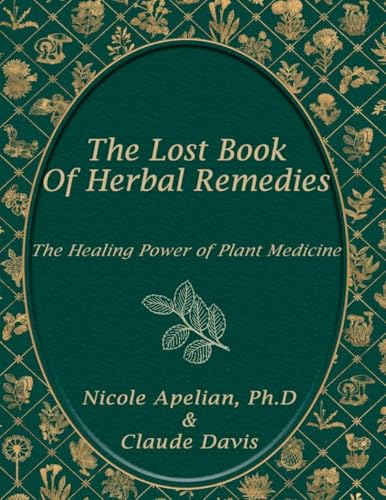

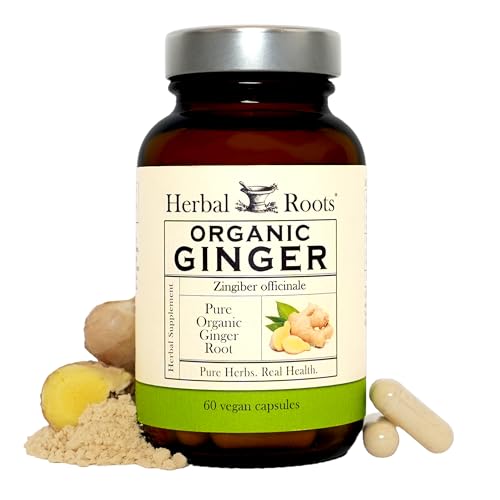
Herbal remedies are more than just a trend—they're part of a long tradition of using plants to support the body. But just because something is natural doesn’t mean it’s safe or effective. Understanding how to choose wisely can help you harness the power of nature without falling for misleading claims. Let’s walk through the steps together.
Table of Contents
Know Your Needs
Before you even look at a plant, take a moment to understand what you’re looking for. Are you dealing with insomnia, anxiety, or a weakened immune system? Each herb has a specific role in the body. For example, valerian root is known for its calming effects, while echinacea is often used to support immune function.
Knowing your needs helps you avoid the trap of trying to use the wrong herb for the wrong issue. You might be tempted to take a general "detox" tea, but that’s not the same as using a specific herb for a targeted condition. Be clear on your goals so you can find the right match.
Research the Herb
Every herb has a history of use, but not all of those uses are backed by science. For instance, St. John’s Wort has been used for centuries to support mood, and recent studies show it may be effective for mild depression. However, it can interact with other medications, so it's not a one-size-fits-all solution.
Look for traditional uses that align with your needs, and then check if there’s any modern research to support them. Resources like the Herbal Medicine: Expanded Guide to Herbal Healing or peer-reviewed journals can be great starting points. Always be cautious of marketing claims that promise miracles without evidence.
Check the Source and Quality
Just because an herb is natural doesn’t mean it’s safe or well-made. The source of the herb matters. For example, ginseng grown in controlled environments is more likely to be consistent in potency and purity than wild-harvested versions. Also, look for companies that provide third-party testing and transparency about their sourcing.
Be wary of products that don’t list the herb’s scientific name or that make vague claims like “natural” or “organic.” These terms can be misleading. A quality product should have clear labeling, including the herb’s Latin name, dosage, and any potential side effects.
Consider Form and Dosage
Herbs come in many forms—capsules, tinctures, teas, and salves—each with its own absorption rate and potency. For example, a tincture of valerian root may be more effective for sleep than a tea, as the alcohol helps extract the active compounds. But not everyone can or should use alcohol-based products.
Dosage is also key. A teaspoon of dried ginger in tea may be enough for nausea, but a higher dose in a capsule might be needed for more severe symptoms. Always start with the lowest recommended dose and increase gradually, unless otherwise advised by a qualified herbalist or healthcare provider.
Start Small and Observe
Herbal remedies can take time to show effects, and they work differently for different people. Starting with small doses allows you to monitor how your body responds. For instance, taking a small amount of ashwagandha for stress might take a few weeks to notice a change in your mood or energy levels.
Keep a record of how you feel, any changes in symptoms, and any side effects. This helps you determine whether the herb is working for you or if you need to adjust the dosage or try a different herb. It’s also a way to avoid overuse, which can sometimes lead to imbalances.
Be Honest About Expectations
Herbal remedies are not a substitute for medical care, and they don’t work instantly. They’re tools to support your body’s natural healing processes, not quick fixes. For example, echinacea may help reduce the severity of a cold, but it won’t cure it overnight. Setting realistic expectations helps you stay motivated and avoid disappointment.
Also, remember that not every herb will work for everyone. What helps one person may not work for another. It’s about finding what works for you, not what works for someone else. Be patient, be informed, and be kind to your body as you explore these natural options.
Frequently Asked Questions
Can I take multiple herbs at once?
It’s possible, but it’s best to start with one herb at a time to monitor how your body responds. Some herbs can interact with each other, so it’s important to understand their properties before combining them.
How long should I take an herb before knowing if it works?
It varies, but most herbs take at least a few weeks to show noticeable effects. For example, adaptogens like ashwagandha may take 4–6 weeks to build up in your system. Be patient and keep a journal.
Are all herbs safe to use?
No herb is completely risk-free. Some can interact with medications, cause side effects, or be harmful in high doses. Always research the herb, consult a qualified herbalist, and avoid self-medicating with strong herbs without guidance.
Can I use herbs as a substitute for medication?
Herbs are not a substitute for medical treatment. They can support your health, but they shouldn’t replace prescribed medications without consulting a healthcare provider. Always seek professional advice before making changes to your treatment plan.
How do I know if an herb is high quality?
Look for products that list the herb’s scientific name, provide third-party testing results, and have clear labeling. Avoid products with vague claims like “natural” or “organic” without evidence. Reputable brands often have transparent sourcing and quality control.
Can I grow my own herbs?
Yes, and it’s a great way to ensure quality and freshness. Herbs like chamomile, peppermint, and lavender are easy to grow. Just make sure to use clean soil, proper sunlight, and avoid pesticides. Harvesting at the right time and drying properly can also affect potency.
Choosing the right herbal remedies is about more than just picking the right plant—it's about understanding how they work, how they affect your body, and how to use them safely. By taking the time to research, observe, and be honest about your needs, you can find the support you’re looking for without falling into the trap of overhype or misinformation. Start small, stay informed, and let your body guide you. The next step? Pick one herb that aligns with your needs and give it a try—just be sure to do your homework first.
Frequently Asked Questions
How do I choose the best herbal remedies for my needs?
Start by identifying your specific health goals, such as stress relief or immune support. Research herbs that align with these goals and check their quality and source to ensure effectiveness and safety.
What is the best way to take multiple herbs at once?
You can take multiple herbs together in a single dose, but it's important to follow the recommended dosage for each. Consider using herbal blends or capsules that combine compatible herbs for convenience and consistency.
Is it worth combining different herbal supplements?
Combining herbs can enhance their effects and provide a more holistic approach to wellness. However, it's crucial to consult with a healthcare professional to avoid interactions and ensure the combination is safe for your health condition.
How can I ensure the quality of the herbal products I choose?
Look for products that are third-party tested, organic, and sourced from reputable suppliers. Check for certifications like USDA Organic or NSF International to ensure quality and purity.
What are some common herbal remedies for natural sleep support?
Herbs like valerian root, chamomile, and lemon balm are commonly used for natural sleep support. They can be taken as teas, tinctures, or supplements to promote relaxation and improve sleep quality.
How do I research the effectiveness of an herbal remedy?
Look for scientific studies, clinical trials, and user reviews to gauge the effectiveness of an herbal remedy. Trusted sources like peer-reviewed journals and reputable health websites can provide reliable information.
What should I consider before taking multiple herbs together?
Consider potential interactions between herbs, their dosages, and how they may affect your health. Consulting with a healthcare provider can help you safely combine herbs for optimal results.


