

How To Use Ashwagandha For Stress And Anxiety
Traditional Indian and Western herbal practice uses the root of ashwagandha for stress and nervous system support, so look for "root" or "root extract" on the label. Some modern products include leaf or whole-plant extracts; those can have different alkaloids and stronger immune effects, so be deliberate about what you want. Prioritize products that list the botanical name (Withania somnifera) and the country of origin so you can judge growing conditions and likely soil contamination.
Table of Contents
Our Top Picks
Affiliate disclosure: if you buy through these links, we may earn a commission at no extra cost to you.

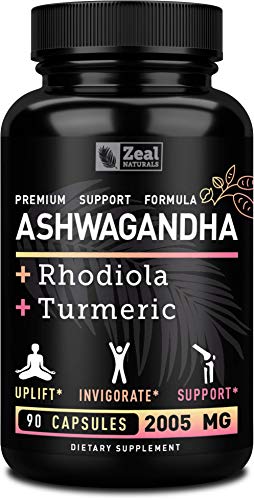

Factors to Consider
Plant part and source: choose root-first
Standardization and extract type: what the numbers mean
Standardized extracts list withanolide content (commonly 1.5–5%); this tells you how much active marker is present and helps predict potency. Two well-researched branded extracts are KSM-66 (root-only, full-spectrum) and Sensoril (concentrated, often root/leaf) — both appear frequently in clinical trials, but they act a bit differently. If you prefer consistent clinical-style dosing, choose a standardized extract; if you prefer the traditional whole root, choose powder and accept wider potency variation.
Form and practical dosing: powder, capsule, or tincture
Capsules with standardized extract are easiest for consistent dosing; many trials use 300–600 mg per day of extract. Root powder (1–3 grams daily) is fine if you like mixing into a drink, but start lower because taste can be bitter. Tinctures are good for gentle, adjustable dosing and faster onset, but check alcohol content and extraction method (alcohol or glycerin/water) to match your needs.
Purity and testing: avoid heavy metals and fillers
Ashwagandha can accumulate heavy metals depending on growing soil, so look for third-party testing, Certificates of Analysis (COA), or seals from organizations like USP or NSF. Avoid products with long proprietary blends that hide doses and watch for unnecessary fillers or artificial colors. Organic certification is helpful but not a guarantee; lab testing is the gold standard.
Safety notes and quality of manufacture
Buy from brands that publish safety info: allergen statements, contraindications, and batch testing. If you’re on medication (especially thyroid, sedatives, or immunosuppressants), pregnant, or breastfeeding, choose a product only after consulting a clinician. Reliable manufacturers will provide clear labeling and customer service to answer sourcing questions.
Frequently Asked Questions
How long does it take for ashwagandha to help with stress and anxiety?
Many people notice subtle improvements in sleep and calm within 1–2 weeks, but most clinical trials report clearer benefits after 4–8 weeks of regular use. Think of it as a cumulative adaptogen effect rather than an immediate anti-anxiety drug — consistency matters.
Which form is best for anxiety: capsule, powder, or tincture?
For reliable dosing, a standardized capsule or tablet is easiest and matches clinical research. Powder is fine if you want a traditional approach, and tinctures can be useful for dosing flexibility or if you have trouble swallowing pills.
What dose should I start with?
For standardized extracts, studies commonly use 300–600 mg per day; a sensible approach is to start at the lower end (300 mg once daily) and increase if needed. If using root powder, many people begin at about 1 gram (1000 mg) daily and adjust upward slowly up to 2–3 grams as tolerated.
Can ashwagandha make me sleepy or affect my sleep?
Ashwagandha is known to gently promote relaxation for many people and can help with sleep when taken in the evening. Some individuals experience mild sedation; if that occurs, take it at night rather than in the morning.
Are there any drug interactions or safety concerns?
Ashwagandha can interact with sedatives (increasing drowsiness), thyroid medications (it may influence thyroid hormone levels), and immunosuppressants (it may stimulate immune activity). Talk with your healthcare provider if you take prescription medications or have autoimmune or thyroid conditions before starting it.
Is ashwagandha safe during pregnancy or breastfeeding?
Traditional sources often advise avoiding ashwagandha during pregnancy because of potential uterine activity and limited safety data. If you are pregnant, trying to conceive, or breastfeeding, avoid use unless a trusted clinician specifically recommends it.
How do I pick a trustworthy brand?
Choose companies that list the botanical name, plant part, and extraction method, and that provide third-party test results or COAs for heavy metals and contaminants. Favor brands that disclose withanolide standardization and are transparent about sourcing and manufacturing practices.
Conclusion
Ashwagandha is a well-studied adaptogen that many people find helpful for calming stress and improving sleep when used consistently and responsibly. For beginners, I recommend a root-based, standardized extract (for example 300 mg once daily) from a brand with transparent COAs, starting low and giving it 4–8 weeks to judge effects while checking with your clinician if you take medications or are pregnant. Practical takeaway: start small, choose a reputable root extract, and pair it with sleep hygiene and stress-reduction habits for the best results.


