

How To Choose The Right Magnesium Glycinate Supplements 2026
Magnesium is the quiet engine behind your nervous system, yet it is one of the most common deficiencies in modern diets. As a clinical herbalist, I often see patients struggling with sleep or anxiety who are taking magnesium but getting no relief. The problem is rarely the mineral itself; it is usually the form they have chosen. Magnesium glycinate has become the gold standard for those seeking calm without digestive distress, but not all supplements are created equal. Understanding how this specific chelated form works can save you from wasting money on ineffective products.
Our Top Picks
Affiliate disclosure: if you buy through these links, we may earn a commission at no extra cost to you.

Table of Contents
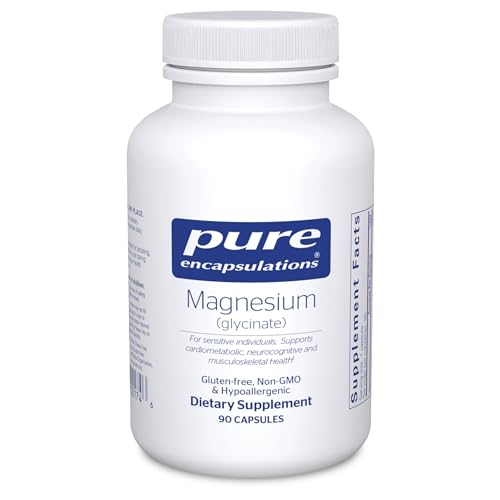

Quick Answer
Choose a magnesium glycinate supplement that clearly lists the elemental magnesium content per serving, ideally between 100mg and 200mg. Look for products that specify "bisglycinate" or "glycinate" chelation to ensure the mineral is bound to the amino acid glycine for better absorption. Avoid blends where magnesium is just one of many ingredients unless you are specifically targeting a different mineral deficiency, as this dilutes the therapeutic dose needed for nervous system support.
Why Glycinate Matters More Than Dosage
When we discuss magnesium in herbal practice, we are usually looking for its calming effects on the nervous system. Magnesium glycinate is unique because it binds magnesium to glycine, an inhibitory neurotransmitter that promotes relaxation and sleep. This makes it distinct from magnesium citrate, which pulls water into the intestines and acts as a laxative, or magnesium oxide, which has poor bioavailability and often causes stomach upset.
The glycine component does not just act as a carrier; it works synergistically with the magnesium to calm the brain. For clients dealing with chronic stress or insomnia, this dual action is crucial. It allows us to target the physiological symptoms of anxiety without the gastrointestinal side effects that plague other forms. If your goal is nervous system regulation rather than bowel regularity, glycinate is your primary tool.
Understanding Elemental Magnesium
One of the most confusing aspects of supplementing is the difference between the weight of the compound and the weight of the actual mineral. A capsule might weigh 500mg, but if it contains magnesium oxide, only a small fraction of that is elemental magnesium. With glycinate, you want to know exactly how much elemental magnesium you are getting.
I generally recommend starting with a supplement that provides between 100mg and 200mg of elemental magnesium per serving. This amount is sufficient to support enzymatic functions and nervous system calm without overwhelming the body. Higher doses, such as 400mg or more, are often unnecessary for maintenance and may lead to loose stools if the gut cannot process the load efficiently.
Always check the "Supplement Facts" panel on the back of the bottle. If it only lists the weight of the magnesium glycinate powder without specifying the elemental content, the product is likely under-dosed or poorly formulated. Transparency here is a sign of a reputable manufacturer.
Reading Labels for Purity and Chelation
Not all "glycinate" labels are honest. Some manufacturers use vague terms like "magnesium amino acid chelate" which may include cheaper, less effective forms of magnesium mixed in with glycine. To ensure you are getting true bisglycinate, look for specific terminology on the label. The ingredient list should explicitly state "Magnesium Bisglycinate" or "Magnesium Glycinate."
Purity is equally important. Magnesium is a mineral that can absorb heavy metals if not sourced carefully. Reputable brands will often provide third-party testing certificates or mention their sourcing practices. Avoid products with excessive fillers, artificial colors, or proprietary blends where the exact amounts of each ingredient are hidden. In herbalism, we value whole-food sources and clean extraction methods; the same standard should apply to isolated minerals.
Timing and Synergy with Herbal Remedies
Magnesium glycinate is best taken in the evening, ideally 30 to 60 minutes before bed. This timing aligns with the body's natural drop in core temperature and the onset of melatonin production. When combined with other calming herbs like lemon balm or valerian root, magnesium can enhance their sedative effects. However, it is important to introduce one variable at a time.
If you are already taking adaptogens like ashwagandha for stress, adding magnesium glycinate can provide a complementary layer of support. Ashwagandha works on the adrenal axis over weeks, while magnesium provides immediate relief for muscle tension and neural firing. I often suggest clients take their magnesium with a small amount of fat, such as a few squares of dark chocolate or a spoonful of almond butter, to further aid absorption.
Avoid taking high-dose magnesium glycinate at the same time as certain antibiotics or thyroid medications, as it can interfere with their absorption. Space these out by at least two hours. For most wellness-minded adults, however, evening supplementation is safe and highly effective.
Common Myths About Absorption
There is a persistent myth that you must take magnesium on an empty stomach for maximum absorption. In reality, food can actually help buffer the stomach lining and improve tolerance. For those with sensitive digestion, taking magnesium glycinate with a light snack is often better than taking it alone.
Another common misconception is that "more is always better." Magnesium is regulated by the kidneys, which excrete excess amounts, but this process can be slow. Taking massive doses does not necessarily lead to higher cellular saturation; it often just leads to digestive upset. Consistency with a moderate dose is far more effective than sporadic high-dose bursts. Think of magnesium as a daily maintenance nutrient for your nerves, not a rescue drug.
Frequently Asked Questions
Can I take magnesium glycinate with other supplements?
Yes, it pairs well with zinc and B vitamins for nervous system support. However, avoid taking it simultaneously with high-dose calcium or iron supplements, as they compete for absorption pathways.
Will magnesium glycinate make me drowsy during the day?
Generally, no. Unlike prescription sedatives, magnesium glycinate promotes relaxation without significant grogginess. However, if you are highly sensitive to calming agents, start with a half-dose in the evening to see how your body responds.
Is magnesium glycinate safe for long-term use?
Yes, it is considered safe for long-term daily use for most people. It helps maintain healthy magnesium levels which decline with age and stress. Consult your healthcare provider if you have kidney disease.
Why does my magnesium glycinate taste bitter?
High-quality glycinate should have a mild, slightly salty or neutral taste. If it tastes intensely bitter or metallic, the chelation process may be incomplete, or the product contains lower-grade magnesium oxide. Check the ingredient list for purity.
How long does it take to work?
You may feel a calming effect within 30 minutes of the first dose. For correcting a chronic deficiency and improving sleep quality over time, it typically takes 2 to 4 weeks of consistent daily use.
Magnesium glycinate is a reliable, gentle tool for supporting your nervous system, but its effectiveness depends entirely on choosing a pure, well-formulated product. Focus on elemental magnesium content and clear labeling rather than marketing claims. By starting with a moderate dose in the evening and pairing it with consistent sleep hygiene, you can harness the calming power of this essential mineral without the guesswork.


